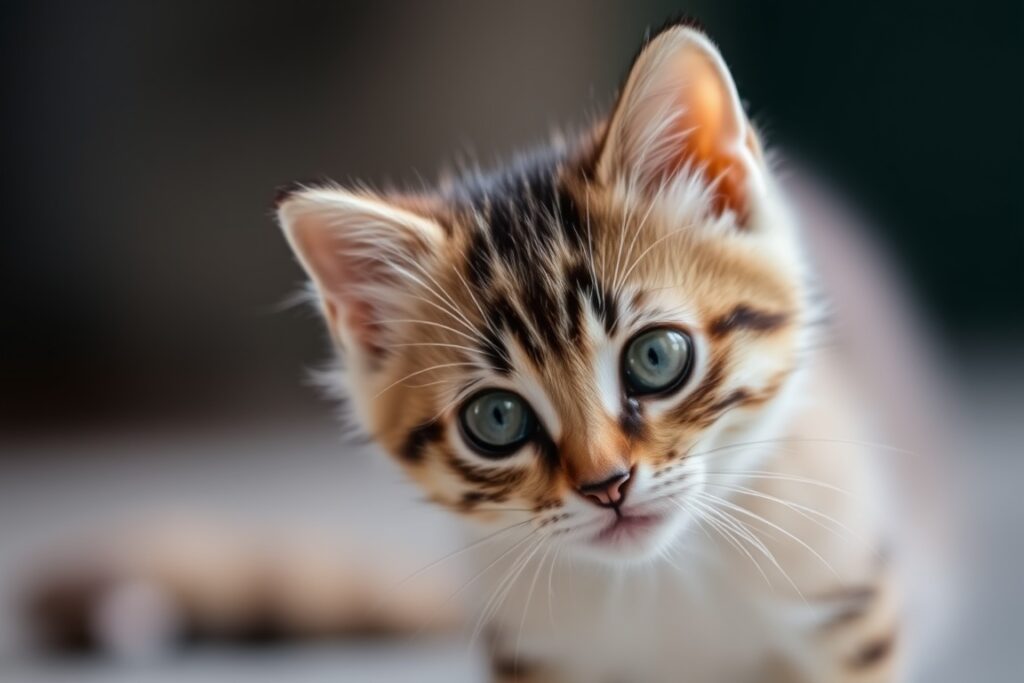
“Feline Down syndrome” is a term often used colloquially, but it’s important to understand what it really means. While cats can’t develop Down syndrome in the way people with Down syndrome do, they can experience a range of conditions that result in physical and behavioral traits that may seem similar to Down syndrome. This article aims to clarify what “feline Down syndrome” implies, exploring potential genetic mutations, neurological issues, and how to properly care for cats with these conditions.
Understanding Down Syndrome Cat
What is Feline Down Syndrome?
The term “Down syndrome” in humans refers to a genetic disorder where an individual has an extra chromosome 21. This syndrome is a genetic condition associated with specific physical features and developmental delays. When pet owners notice unusual facial or behavioral traits in their feline companions, they might wonder if their cat may have a condition similar to Down syndrome. However, it’s crucial to understand the actual genetic basis of this condition to address the question of “feline Down syndrome” correctly.
Can a Cat Have Down Syndrome?
The simple answer is no, a cat cannot have Down syndrome. This is because cats have 19 pairs of chromosomes, and unlike humans, they do not possess chromosome 21. Since the syndrome in humans is directly linked to an abnormality on chromosome 21, cats cannot have Down syndrome due to this genetic difference. Therefore, what might appear as “feline Down syndrome” is typically another condition affecting a cat’s physical and neurological development. Cats can’t develop Down syndrome, as it is understood in humans.
Conditions in Cats Similar to Down Syndrome
Although cats cannot have Down syndrome, various conditions in cats can cause syndrome-like symptoms. These conditions often arise from genetic disorders, congenital issues, or environmental factors. For example, cerebellar hypoplasia, a neurological issue affecting motor skills, can produce certain behavioral traits mistaken for Down syndrome. Similarly, other genetic mutations can result in unusual facial structures or developmental delays. Understanding that cats with these conditions require special needs is crucial for appropriate veterinary care. When “feline Down syndrome” is suspected, a veterinarian should conduct a thorough examination to pinpoint the exact cause of the syndrome-like symptoms in cats.
Identifying Syndrome-Like Symptoms in Cats
Physical Features of Cats with Special Needs
Unusual facial features can be some of the first indicators that a cat might have physical or neurological issues. Some cats might have unusual facial structures, such as a flattened nose, wide-set eyes, or a smaller jaw. These traits can be mistaken for Down syndrome, though they typically result from other genetic mutations or congenital issues. Cats with craniofacial deformities may appear to have flattened faces or wide-set eyes. You might notice a flat or wide face or slanted eyes. Cats with special needs may require additional veterinary attention.
Behavioral Traits of Cats with Syndrome-Like Symptoms
Behavioral traits that may appear similar to those seen in people with Down syndrome can also suggest underlying issues in cats. A lack of coordination, reduced motor skills, or unusual social behaviors can be behavioral differences suggesting congenital or neurological issues that require veterinary attention. Cats that seem slower to develop motor skills or exhibit delayed cognitive abilities may have underlying genetic conditions. Cats with neurological issues might exhibit unusual behaviors, such as repetitive movements, difficulty in coordination, or a lack of responsiveness to stimuli. Cats can also suffer from cerebellar hypoplasia. This condition causes Down syndrome-like behavioral traits.
Common Misconceptions About Syndrome in Cats
The idea of “feline Down syndrome” is a common misconception, and it’s essential to clarify this point for pet owners. The question, “Can a cat have Down syndrome?” has become a catch-all explanation for unique or special-needs cats online. However, it’s crucial to understand that the term cannot apply to cats because they cannot have Down syndrome. Using the term inaccurately can lead to confusion. The term “feline Down syndrome” is often used when owners notice unusual physical and behavioral traits in their cats. Mislabeling a medical condition may prevent cats from receiving appropriate care.
Caring for Cats with Special Needs
Veterinary Guidance for Special Needs Cats
When caring for a special needs cat, always consult your veterinarian to explore the potential causes and determine the best course of action. Seeking veterinary guidance ensures that your cat receives the best care for their unique situation. Your veterinarian can conduct a thorough examination, including genetic testing if necessary, to determine the cause of these syndrome-like symptoms in cats and recommend appropriate care. Remember, a thorough understanding of your cat’s condition is the first step in providing the necessary care.
Physical and Behavioral Care for a Cat with Special Needs
Caring for a cat with special needs involves several key aspects. You can support their well-being by:
-
- Providing a balanced diet that supports overall health and development.
-
- Stimulating their mind with toys and puzzles suited to their abilities.
-
- Engaging in regular play and social interaction, which is helpful, especially for cats with cognitive or behavioral differences.
-
- Monitoring their behavioral traits to better understand their needs.
Some cats with genetic mutations, developmental delays, or physical abnormalities may also benefit from a specialized diet or an adapted environment.
Creating a Supportive Environment for Feline Companions
Here’s how to create a more supportive environment for your feline companions. Focus on minimizing potential dangers and providing accessible resources. Consider these factors to ensure your cat’s well-being:
-
- Minimize hazards like stairs or sharp objects to prevent accidents.
-
- Place food, water, and litter boxes in easily accessible locations.
For cats with mobility issues, using ramps or steps can help them reach their favorite spots without straining. Be mindful of how you handle your cat, especially if they have physical deformities or are more sensitive to touch. Remember that cats with special needs may take longer to adjust to changes, so patience is key. Ensure your home has areas where your cat can retreat and feel secure.
Living with a Cat that May Be A Down Syndrome Cat
Understanding Your Cat Special Needs
Caring for a special needs cat or cats with these conditions can be a deeply rewarding experience, especially when you have the right knowledge and support. Cats with special needs, whether due to genetic mutations, congenital issues, or environmental factors, require a compassionate approach to their care. With the right care and attention, cats with unique needs can live fulfilling lives. Instead of asking “Can a cat have Down syndrome?”, consider focusing on how to support your pet’s unique needs and celebrate what makes them special.
Adapting to Life with a Cat with Syndrome-Like Symptoms
When adapting to life with a cat with syndrome-like symptoms, it is important to be aware of the physical and behavioral challenges your feline may face. Cats with these conditions may exhibit unusual facial features, such as a flattened nose, wide-set eyes, or a smaller jaw. Providing them with a stable, predictable environment can help minimize stress and anxiety. A special needs cat might require adjustments to their living space to accommodate their physical limitations.
Community Support for Cat Owners
When dealing with a cat that seems to resemble Down syndrome, community support for cat owners can be invaluable. Sharing experiences and advice with others who care for cats with special needs can provide emotional support and practical tips. Online forums and local support groups can connect you with other pet owners. Additionally, consulting with veterinary specialists and feline behaviorists can offer expert advice tailored to your cat’s specific conditions, while support groups can provide ongoing emotional assistance.


