The mystery surrounding a cat’s ability to navigate through dark environments has intrigued people for generations. The popular phrase, “cats see in the dark,” isn’t completely true, but their excellent low-light vision is undeniable. Let’s delve into the science of feline night vision and find out how cats can see in the dark, whether they outperform humans in dim lighting, and dispel some common myths along the way.
Understanding Night Vision
What is Night Vision?
Night vision refers to the ability to see in low-light conditions. It’s not about seeing in total darkness, but rather the ability to perceive objects and navigate surroundings when the amount of light is minimal. Many animals have developed adaptations that enhance their night vision capabilities, allowing them to be active during twilight or nighttime hours. Night vision isn’t a magical power, but rather a combination of biological features that help them see in low light and help them see better. It is the culmination of evolved traits that optimize light capture and processing in the eye. Can cats see in the dark?
How Night Vision Works in Animals
Animals that possess excellent night vision, like cats, have specialized structures in their eyes that help them see better in the dark. A key component is the tapetum lucidum, a reflective layer behind the retina that acts like a mirror. When light enters the eye, it passes through the retina. Any light that isn’t absorbed is reflected back by the tapetum lucidum, giving the photoreceptor cells a second chance to detect it. This effectively amplifies the amount of light available, enhancing the animal’s ability to see in low-light environments. This, along with a larger pupil, allows for better peripheral vision.
Comparison of Night Vision Across Species
When night vision is compared to that of humans, cat vision excels in low-light conditions. Human vision relies heavily on cones for color vision and visual acuity in bright light, but in dim light, our vision is significantly reduced. Can cats see in the dark? Cats, on the other hand, have a higher concentration of rod cells, which are responsible for detecting motion and seeing in low light. While cats have limited color vision compared to humans, their superior rod density and the presence of the tapetum lucidum give them a distinct advantage in the dark. Therefore, cats can see better at night, although they can’t see in complete darkness.
Can Cats See in the Dark?
Adaptations for Seeing in Dim Light
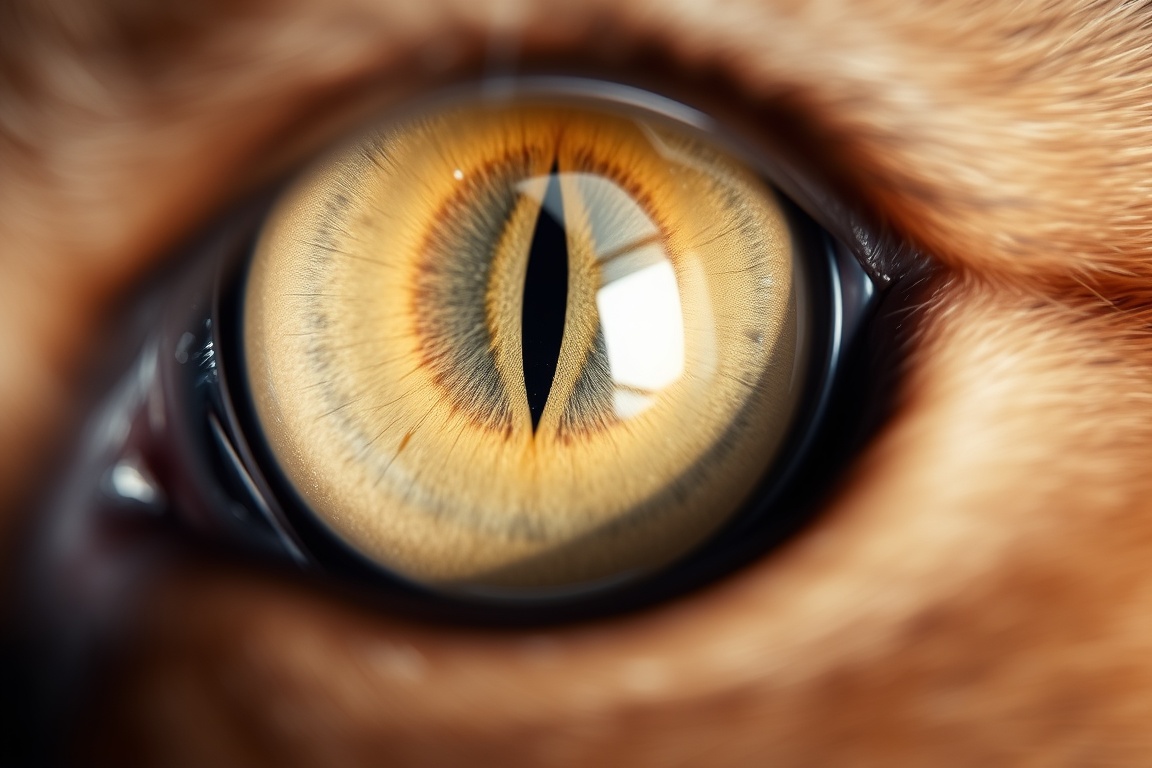
Answering the question: “Can cats see in the dark?” One of the primary reasons cats can see better in the dark lies in the unique adaptations of their eyes. A cat’s eye contains a higher concentration of rod cells, which are photoreceptors that function well in low-light conditions. To put this into perspective, cats have approximately six to eight times more rod cells than humans. This abundance of rod cells significantly enhances their ability to see in very low light. Another crucial adaptation is the tapetum lucidum, a reflective layer behind the retina that acts like a mirror, bouncing light back through the retina, giving the rod cells another chance to absorb it. Furthermore, a cat’s eye features extra-large pupils that can dilate up to three times wider than human pupils, allowing a greater amount of light to enter the eye and greatly improving a cat’s night vision.
Role of the Pupil in Cat Vision
The shape and function of a cat’s pupil also play a critical role in their ability to see in low light. Cats have slit-shaped, vertical pupils that can dilate very widely, creating a large opening for a greater amount of light to enter at night. This vertical orientation helps them to focus, as varying amounts of light can enter the eye through different areas. When a cat’s pupils dilate to their maximum, it allows them to see well in low-light situations, although it may make their vision slightly blurrier. Cats can adapt their eyes to see in a wider range of light levels than humans, and their pupils can respond better to how light enters the eyes, expanding wider at night to maximize light intake, contributing to their exceptional night vision.
Can Cats See in the Dark?
While cats can see better at night in near-darkness, their vision may appear a bit blurry compared to humans in daylight. Since cats rely more on rod cells, they likely see the world in muted shades of blue and gray, rather than vibrant colors. Cats also excel at spotting the slightest movement, thanks to their high density of rod cells and their keen ability to detect motion. While cats have limited color vision and see mostly in shades of blue and green, red and pink appear to get confused. The colors are much less saturated and appear less rich than the way humans see the world. Despite these differences, the collective adaptations of the cat’s eye enable them to navigate and hunt effectively in low-light conditions. While cats cannot see in total darkness, their vision is far superior to human vision in dimly lit environments, allowing them to see better in the dark.
Comparing Cat Vision to Human Vision
Differences Between Cat and Human Vision
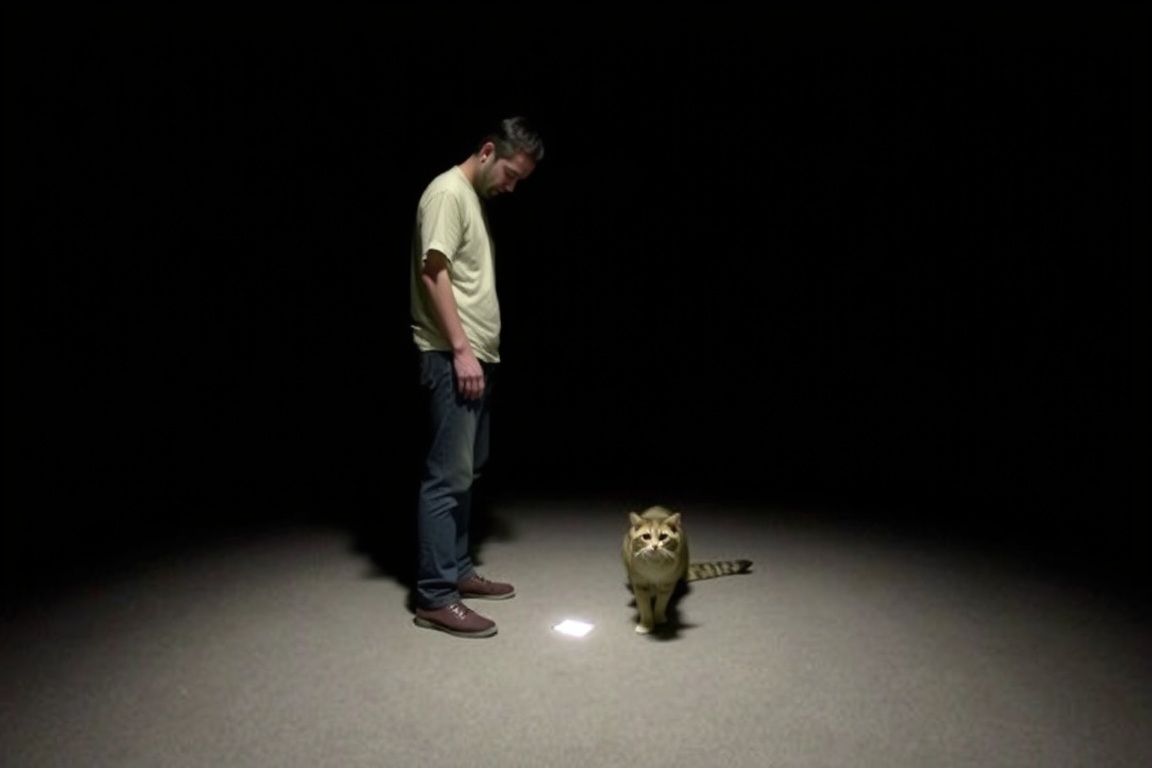
One of the primary differences between cat vision and human vision lies in color vision. Cats have fewer cone cells, which are responsible for perceiving the full spectrum of colors. Compared to humans, cats can see a more limited range of hues. Human vision excels in daylight clarity and color perception, whereas cats have superior night vision. Humans need a higher amount of light and depend heavily on bright light to see, and struggle in dimly lit environments. Cats have more rod cells and can detect movement better than humans, thanks to their enhanced motion detection in low light. While cats can see better at night, their ability to see color and detail is not as sharp as ours, and they rely more on motion and contrast. They see fewer shades of color than humans.
How Cats See Better in Low Light Conditions
Cats can see better in low light conditions due to several unique adaptations. First, cats can see in light levels six times lower than what humans require. This remarkable ability is primarily attributed to the tapetum lucidum, a reflective layer behind the retina that acts like a mirror, bouncing light back through the photoreceptor cells. This adaptation amplifies the amount of light available and giving them a higher concentration of rod cells. This allows them to see better at night. Humans have fewer rod photoreceptors compared to cats, which limits our ability to see well in low-light environments. Due to cats’ enhanced ability to use even minimal light, they can navigate much more effectively. For this, cats can see better than humans, allowing them to see better in the dark. Their superior night vision helps them to see better at night.
Limitations of Cat Night Vision
Can cats see in the dark? Despite their excellent night vision, it’s crucial to understand that cats can’t see in total darkness. Some level of light is needed for vision to function. If there is no light, a cat’s eye will not be able to process images. Their enhanced night vision makes up for their limited color vision. A wider field of vision of 200 degrees for better peripheral vision is helpful. The typical vision for humans is that what humans can see at 100 to 200 feet, a cat needs to be 20 feet from them to see with the same clarity. Although cats’ vision is much blurrier, they can see better in the dark. While cats cannot see better in the dark, they still cannot see in complete darkness. Their seeing better is the cat’s night vision.
Implications of Feline Night Vision
How Night Vision Affects Cat Behavior
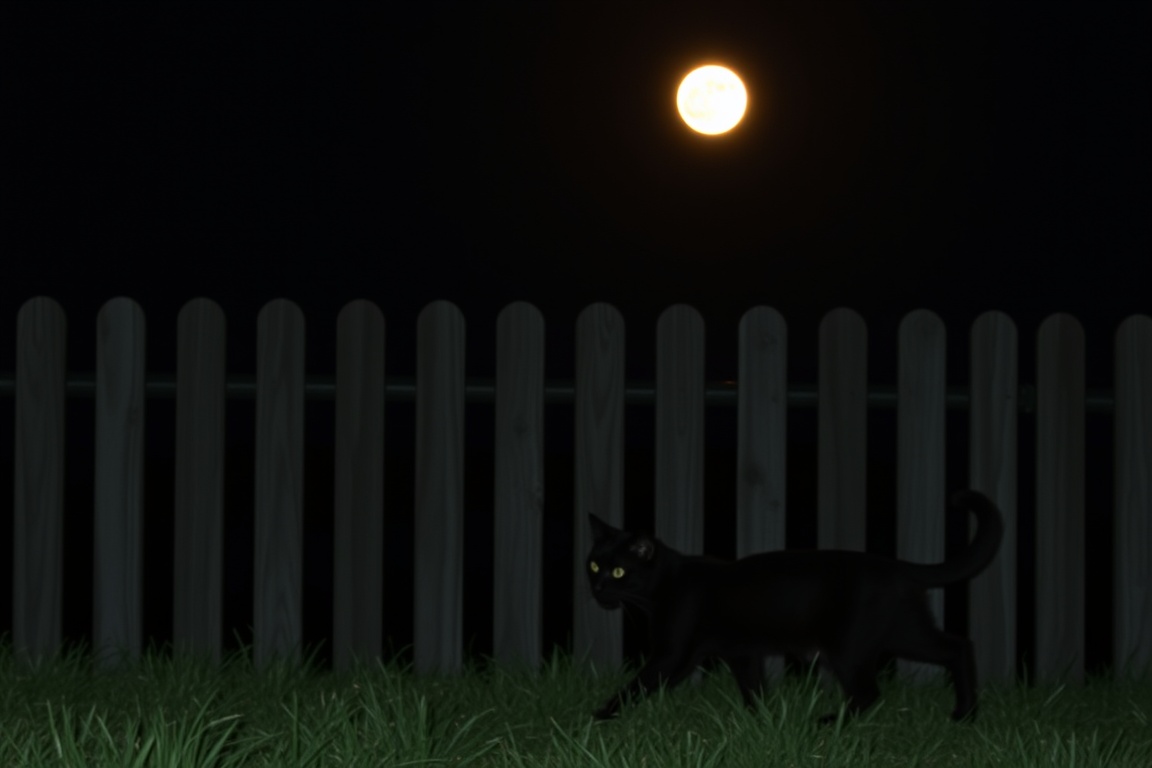
Knowing how well cats can see at night is essential for creating a comfortable and safe environment. The feline preference for activity at dawn and dusk, known as being crepuscular, is influenced by their excellent night vision, a trait honed for hunting in low-light. When a cat can see better, it navigates its environment more confidently, exploring every corner. Their ability to see better in the dark allows them to move silently and efficiently, relying on their enhanced vision to identify prey and avoid hazards. A cat’s familiarity with their surroundings, from the placement of furniture to the layout of rooms, is aided by their capacity to see well in low-light conditions, letting them freely explore. It is important to be able to help them see by understanding their vision, and how it affects their interactions.
Vision Problems in Cats
Here’s the answer to “Can cats see in the dark?” and how impaired vision can affect a cat’s well-being. When a cat’s vision is affected, it will impact several aspects of their life:
- Hunting skills
- Navigation skills
Good eye health is key for maintaining your cat’s ability to see in low-light conditions. Vision problems, such as cataracts or glaucoma, can impair a cat’s night vision, making it challenging for them to navigate in dimly lit environments. When a cat’s vision starts to diminish, they may become hesitant to move around at night, bump into objects, or show signs of disorientation. It’s essential to be vigilant for any signs of vision problems in cats, as early detection and treatment can help preserve their ability to see. Any cloudiness or discoloration, frequent squinting or pawing at the eyes, excessive tearing or discharge, bumping into objects or hesitation in dim light should be addressed immediately.
Ensuring Optimal Vision for Your Cat
Even though cats can see better, owners should take steps to support feline vision. You can support your cat’s vision in several ways, including:
- Providing nightlights in hallways or near litter boxes, especially for older cats, to help them navigate at night.
- Encouraging natural hunting behavior by offering interactive toys like feather wands or motion-activated gadgets.
- Offering a nutrient-rich diet including taurine, vitamin A, and omega-3 fatty acids.
- Providing cat trees or window perches where they can survey their territory.
Regular veterinary checkups are essential to monitor their vision and detect any potential issues early. Remember that even if cats see better, it is important to keep their vision healthy and support them. Regular veterinary visits are important to their cat’s vision and their health.
Final Thoughts on “Can Cats See in the Dark?”
We have understand how can cats see in the dark, and a cat’s vision is vital to providing a stimulating home. Next time your kitty surprises you with their stealthy moves in the dark, just remember: they’re not being sneaky, they’re built for it. Cats can see better at night due to their amazing adaptation to their eyes. You can help them see better at night by keeping their vision strong and providing a safe environment. Understanding how your cat sees in the dark gives you a window into their world—and helps you provide a more enriching home. Remember that your cat cannot see in total darkness and their ability to see color is limited. Whether they’re leaping silently across your couch at midnight or peeking out from under the bed at dawn, your feline friend is using finely tuned senses that are the result of thousands of years of evolution.